| Cross Section |
Round |
Surface Treatment |
Hot Rolled |
| Tolerance |
±1% |
Oiled/Non-Oiled |
Non-Oiled |
| Weight Calculation |
Actual Weight |
Origin |
Shandong, China |
| Alloy or Not |
Non-Alloy |
Standard |
ASTM,GB,JIS, |
| Material |
10#, 20#, 45#, 15Mn, 20Mn |
Delivery Time |
7 Days |
| Brand |
Tian Xinda |
Surface Finish |
Black (Mill Finish), Galvanized, Painted |
| Thickness |
3-100mm (As requested) |
Length |
6M,12M |
| Certification |
ISO9001 |
Shipping Methods |
Sea Shipping |
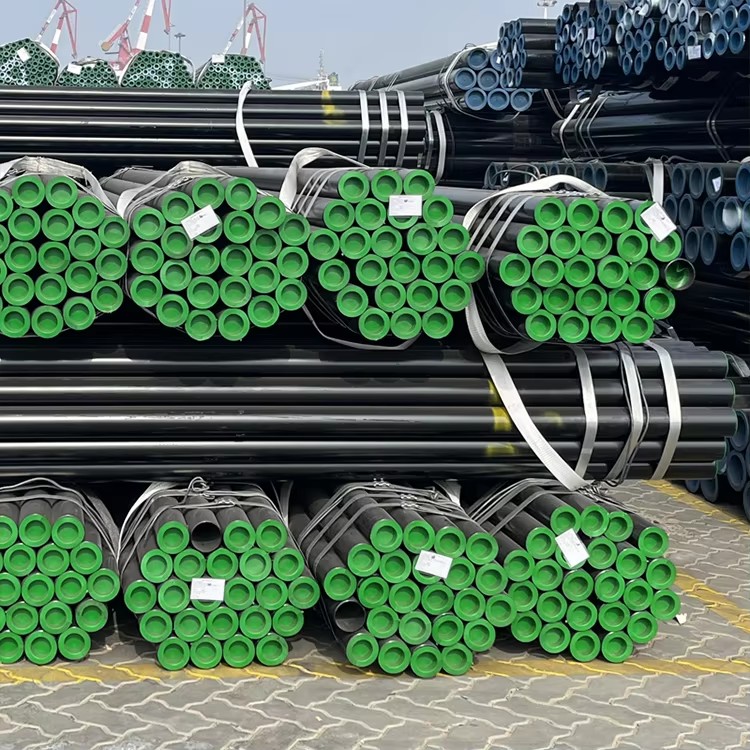
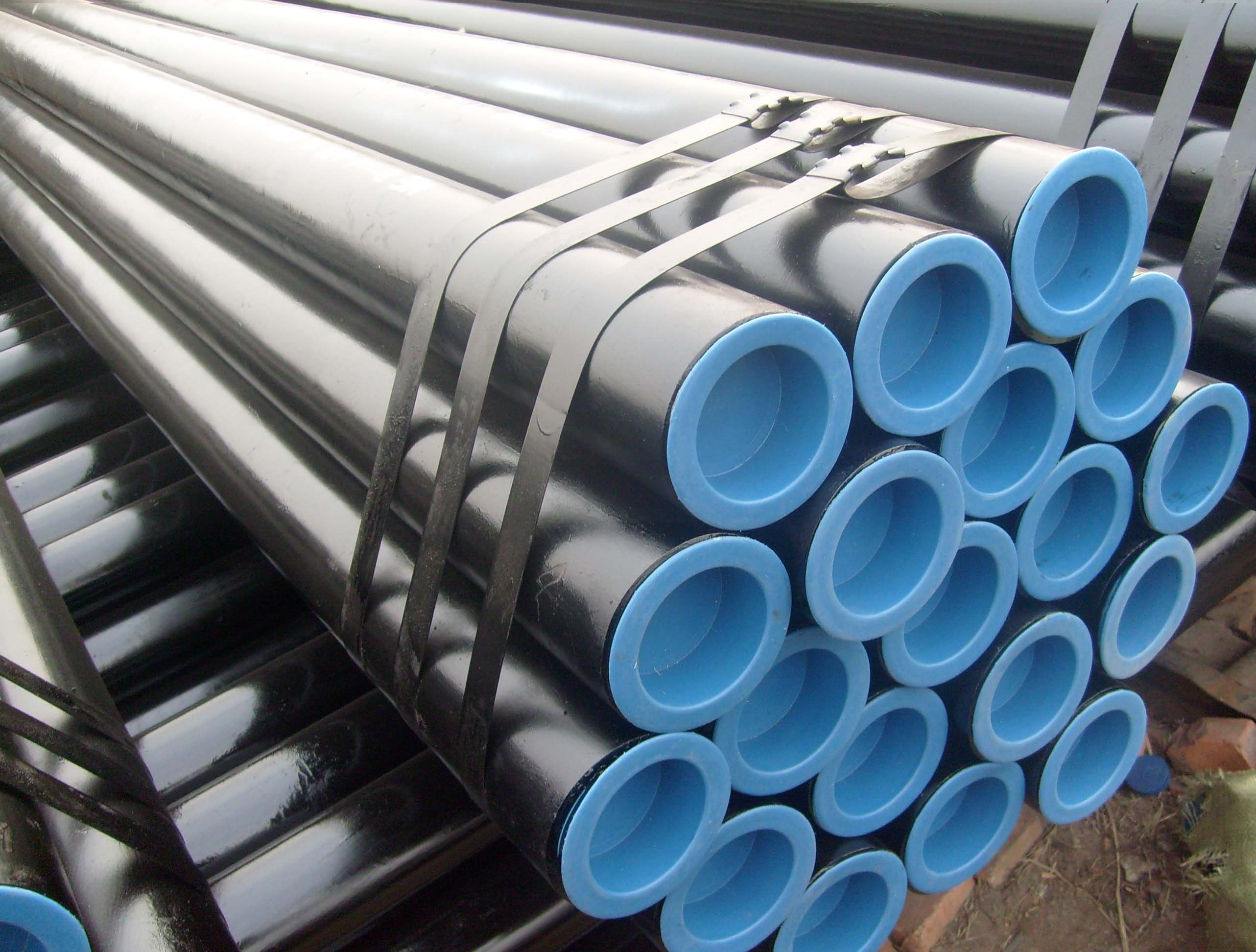
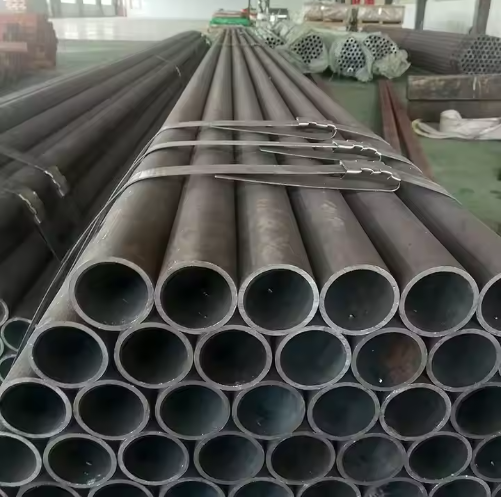
Round steel pipe is a kind of tubular steel with a circular cross-section, which is widely used in many fields such as industry, construction, and machinery manufacturing. With its unique structure and excellent performance, it has become an indispensable important material in various engineering constructions and product manufacturing.
Detailed information of round steel pipe: Standards: Common ones include GB/T 8163 (seamless steel pipes for conveying fluids), GB/T 3091 (welded steel pipes for low-pressure fluid conveyance), ASTM A106 (seamless carbon steel pipes for high-temperature service), etc. Different standards are applicable to different application scenarios and performance requirements.
Materials: Mainly carbon steel, such as Q235, 10#, 20#, etc. There are also alloy steel, stainless steel and other materials, which can be selected according to specific requirements such as corrosion resistance and high strength.
Manufacturing process: Divided into seamless and welded categories. Seamless steel pipes are made by hot rolling, cold rolling and other processes without welds; welded steel pipes are made by welding steel plates or strips through resistance welding, submerged arc welding, etc., with welds.
Dimensions: The range of outer diameter and wall thickness is wide. The outer diameter can be from a few millimeters to tens of centimeters, and the wall thickness can also be adjusted according to actual needs such as bearing and conveying, so as to meet different engineering and product specifications.
Applications: In the transportation field, it is often used to transport fluids such as water, gas, and oil; in the structural field, it can be used as support columns in buildings, components of bridges, etc.; in machinery manufacturing, it is used to make mechanical parts, bearing sleeves, etc.; it is also widely used in scaffolding, automobile exhaust pipes and other aspects.
Advantages:
- It has high strength and toughness, can bear a certain pressure and load, and ensures the stability of the structure.
- The fluid resistance is small, and the efficiency is high when conveying fluids, saving energy.
- It is easy to process and connect, and can be installed by welding, threaded connection, etc., which is convenient for construction and maintenance.
- It has a wide range of applications and can adapt to different environments and working conditions, such as high temperature, low temperature, corrosion and other environments (stainless steel material).
- The cost is relatively reasonable, and it can meet the needs of different budgets according to different materials and processes.


